National Substance Abuse Prevention Month: How to Start Addiction Treatment in Rhode Island
Latest statistics from the Substance Abuse and Mental Health Services Administration (SAMHSA) have revealed that over 48.4 million people in the country have had a substance use problem in the past year.
These substances range from vaping all the way to illicit drugs that can steal one’s will to live and be a normal human being. Therefore, parents, authorities, and teachers want this mania to stop so the vulnerable people can be saved.
Following that goal, a whole month is dedicated to substance abuse prevention, and we’re currently in it. October is celebrated as Substance Use Prevention Month, with a focus on raising awareness and educating people about treatment.
Since there is still fear and confusion around addiction treatment, this guide will help fix that. Let’s learn how one can start addiction treatment in Rhode Island and experience sustainable recovery.
How to Start Addiction Treatment?
Addiction treatment feels overwhelming because there is not enough awareness, and social stigma also stops people from exploring it. But it’s a manageable and step-by-step process that doesn’t stop your life.
If you’re ready to overcome addiction, here is how your journey will go:
Reach Out to a Helpline or Healthcare Provider
An empathetic and understanding healthcare provider can make your recovery journey a lot easier because they look at the practical side of life.
For example, if someone cannot commit to a strict schedule or has a traumatic reason behind their addiction, the healthcare provider’s empathy will determine whether you can explain it.
That is why the first call matters. You can begin with your primary care doctor, who knows your health history and can refer you to a treatment provider.
Another way is to call the SAMHSA National Helpline at 1-800-662-4357, which is free, confidential, and open 24/7. You do not need to plan this call for help: simply explain what you are going through, and the person on the line will guide you toward the next step.
Check Insurance Coverage
Money is often the quiet reason people delay treatment, so start by calling your insurance provider and ask what your plan covers for addiction treatment. At this point, two terms are worth knowing: deductible and in-network.
In simple words, deductible is the amount you pay before your coverage begins, and in-network means the addiction treatment facility has an agreement with your insurer. If the provider is in-network, it usually lowers your costs. If you’re confused, many treatment centers have admissions teams who can check your benefits for you, so you do not have to work through the paperwork alone.
Get a Professional Assessment
An assessment is a detailed conversation with a licensed clinician who wants to understand your whole situation before suggesting any treatment. You will be asked about the substances you consume and how your body and mind have been coping.
Since addiction often exists alongside anxiety, depression, or trauma, honest answers allow all of it to be treated together. Everything you share is used to create a personalized substance abuse treatment plan that matches the type and intensity of care to your needs.
Complete Medical Detox
Detox scares a lot of people because of what they have heard about withdrawal. But it simply means clearing a substance from your body, and in a medical setting, doctors and nurses monitor you around the clock. Their monitoring helps manage your symptoms, and they use medication if detox gets painful for you.
Notably, detox and drug withdrawal can be very uncomfortable, and from alcohol or benzodiazepines, even be life-threatening without medical care, which is why a supervised plan is important.
This phase usually lasts several days, depending on the substance and your health. Also, not everyone needs it, and your assessment will show whether you do.
Begin the Recommended Level of Care
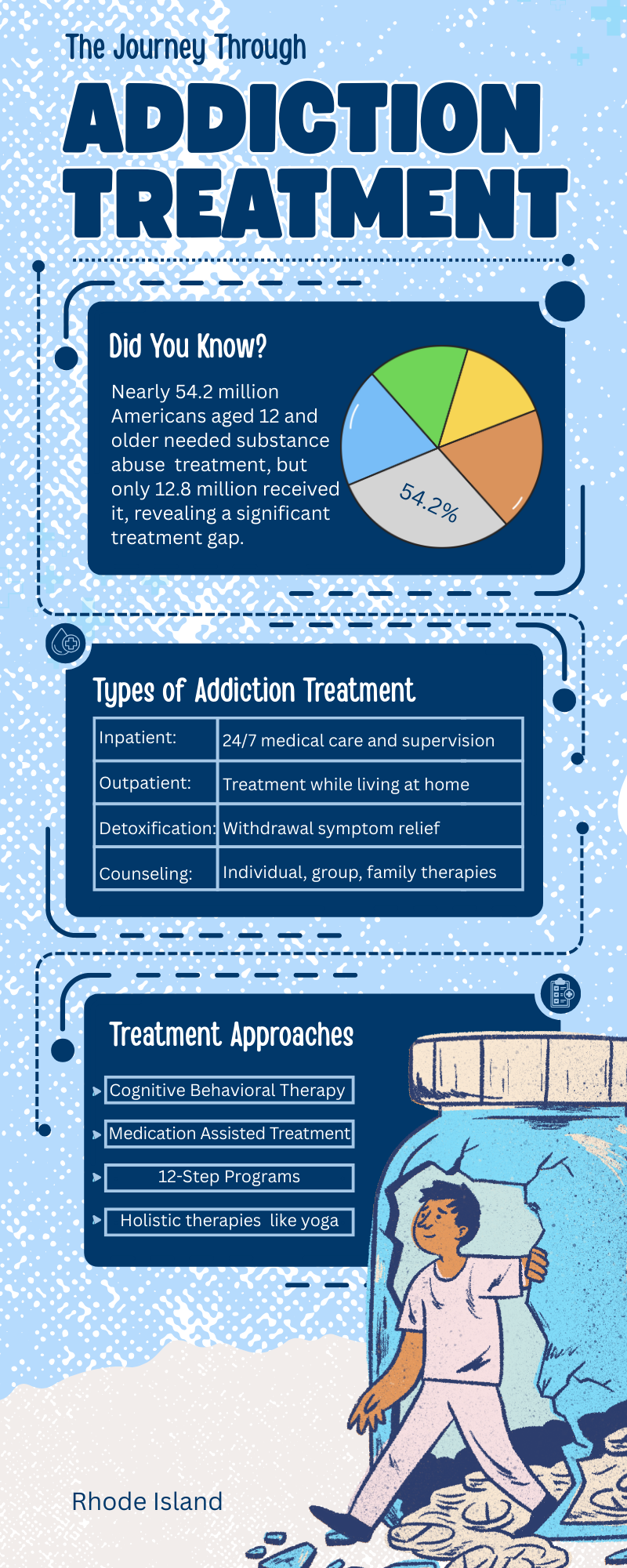
Once your assessment is complete, the doctor recommends a particular level of care depending on how much time and structure a program asks of you. Here’s a quick rundown of the levels of care:
- Residential treatment means living at a facility with daily support.
- Partial hospitalization offers several hours of treatment each day, and then you return home at night.
- Intensive outpatient programs meet a few times a week, which lets you keep working or caring for your family.
- Standard outpatient is occasional counseling for milder needs.
That said, your needs change as you progress; your level of care can change too, and starting at one level does not lock you in.
Build an Aftercare and Relapse Prevention Plan
Falling back into addiction patterns is easy, which is why a plan to follow after recovery is crucial. It’s the ongoing support that keeps you steady once daily life returns. Most relapse prevention plans include continued therapy, support groups, and sometimes sober living housing.
It also lists your triggers, such as stress or certain places, and the steps you will take when cravings appear. Addiction is a long-term condition, much like diabetes, so setbacks can happen. A relapse signals that the plan needs adjusting. It does not mean you failed, and reaching out early keeps you moving forward.
Don’t Waste Another Day, Take Control of Your Life
When the breeze turns cold in October, people feel more motivated to get their lives together. For that, what could be more important than treating addiction that’s eating you alive?
That’s why Rhode Island Addiction Treatment Centers urge you to take the step and uproot this evil habit before it damages you further. Our compassionate team of experts and well-planned treatment models make sure you never feel overwhelmed or isolated and can commit to recovery wholeheartedly.
Even if something doesn’t go as per the plan, we’re here to fix it, so don’t stress and just have faith in the process. Change is always possible!