
From Stuck to Moving Forward: A Story of Addiction Treatment in Pawtucket, RI
Pawtucket is a city that keeps moving. People show up, put in the effort, and keep things going.
But addiction can change that!
It can make you feel stuck while everything around you keeps moving forward. You might still have a job, a family, and responsibilities, but every day feels harder than it should.
Many believe that addiction treatment in Pawtucket, RI, means stepping away completely, leaving work, family, and daily life behind for weeks. But that’s not always the case.
At Rhode Island Addiction Treatment Centers, the focus is on getting support while still staying connected to your life.
To show how that works, let’s have a look at the story of a Pawtucket resident, Joe, and how he went from feeling stuck to moving forward again.
How Did it All Start?
Joe is a 40-year-old supervisor at a local center and a father of 2 living in the Darlington neighborhood.
From the outside, his life looks put together. He shows up to work every day, takes care of his home, and stays on top of his responsibilities.
But internally, Joe felt stuck.
After long shifts, he started relying on alcohol to unwind. What began as a way to relax slowly became a daily habit.
Joe felt like he couldn’t ask for help.
He couldn’t leave his job. He had kids depending on him. And the idea of stepping away for treatment felt impossible.
That’s where Rhode Island Addiction Treatment Centers came to the rescue!
By offering addiction treatment in Pawtucket, RI, Joe didn’t have to step away from his life completely.
Week 1: Creating Stability
When Joe first walked into RIATC, he felt constantly on edge. His mind was always racing, like it couldn’t relax.
The first week of treatment focused on one thing: stabilizing him.
We started with a full medical and clinical assessment. This wasn’t just about his substance use; it was about understanding his daily life and what he was dealing with overall.
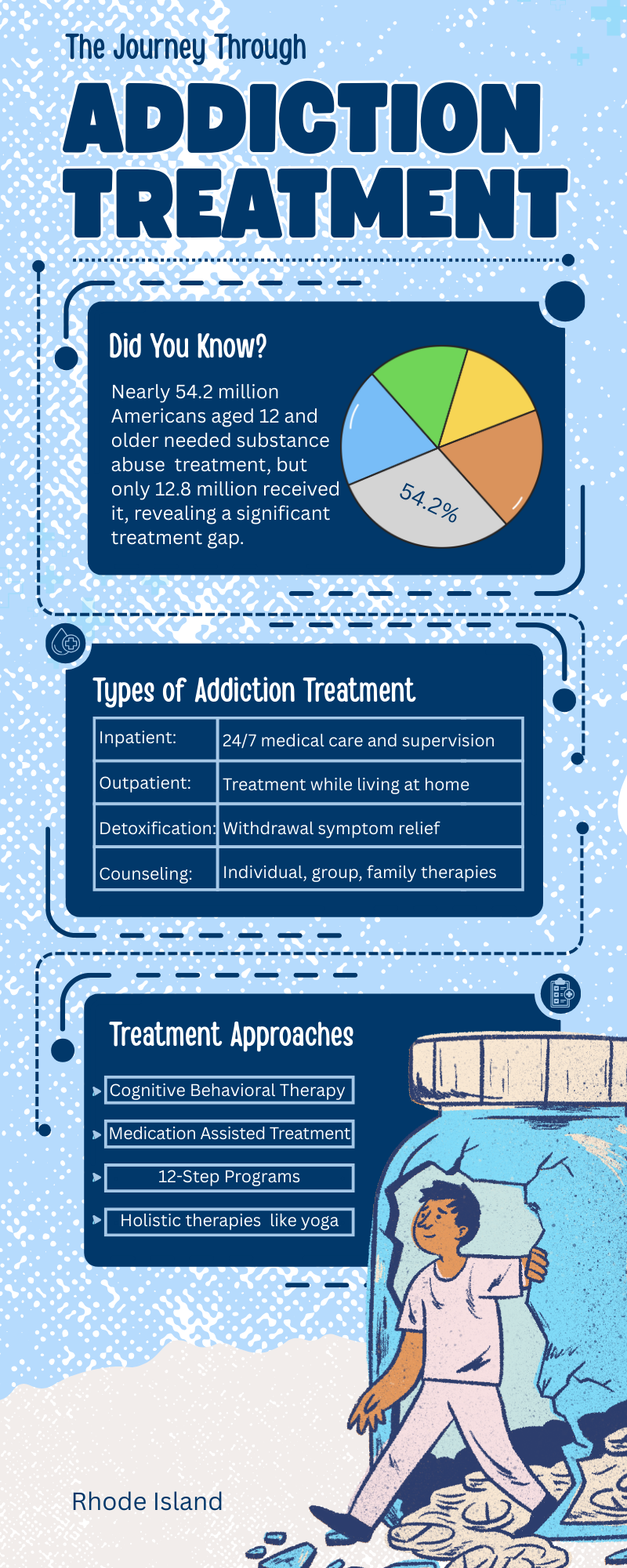
Based on that, we recommended an Intensive Outpatient Program. This allowed Joe to get consistent support while still living at home.
We helped Joe create an evening plan. This included simple changes, like taking a different route home to avoid the liquor store he used to stop at.
Week 2: Identifying Triggers
By the second week, Joe started to feel clearer.
His brain fog began to lift, and this is when we determined that his addiction was rarely just about the substance. It was connected to anxiety and stress.
Through Cognitive Behavioral Therapy (CBT), Joe and his therapist started identifying his triggers. For him, it was the evening rush. After a long workday, the stress and commute became his main cause for using.
That’s when it clicked!
Joe wasn’t just using out of habit; he was trying to manage anxiety he hadn’t fully recognized before. Once he understood that, it became easier to change how he responded.
Week 3: Skill-Building
By the third week, we shifted the focus to building real-life skills.
Joe understood why he was stuck. Now he needed tools to handle things differently.
Using Dialectical Behavior Therapy (DBT), Joe learned how to manage his emotions. Life in Pawtucket didn’t suddenly become less stressful, but his response to it started to change.
He practiced distress tolerance, which means learning how to sit with cravings or uncomfortable feelings without acting on them.
He started using these skills during his lunch breaks and evenings. Slowly, he built a set of tools he could rely on, both at work and at home.
Week 4: Family Involvement
By the fourth week, we started including Joe’s family in his recovery.
Addiction doesn’t just affect one person; it affects everyone at home. And for recovery to last, things at home need to change too.
Joe’s wife joined family sessions. There, they learned that addiction is a health condition, not a personal failure. This helped shift things at home. Instead of tension and uncertainty, there was more open and honest communication.
Because he was in an IOP program, he was still home every day. He could have dinner with his family, read bedtime stories, and be present for the small moments that matter.
He didn’t have to step away from his life to change it.
Week 5 and Beyond: Staying on Track
The final phase of Joe’s program focused on staying on track for the long-term.
Joe created a plan that helped him recognize early warning signs and know what to do when things felt off. He also built a support system around him, including local connections and peer groups. This helped him stay connected and avoid the isolation that often leads to relapse.
As Joe moved out of intensive treatment, the transition felt natural.
He wasn’t stepping into a new world; he had been living his life the whole time. He already knew where he felt comfortable, who supported him, and what helped him stay on track.
Why RIATC Works for Pawtucket?
Joe’s story shows what’s possible.
At Rhode Island Addiction Treatment Centers, we understand that life doesn’t pause for treatment. You still have responsibilities, people who rely on you, and work to manage.
That’s why our support is designed to fit into your real life, not pull you away from it.
Our treatment plans provide:
- Professional Privacy: Your recovery remains personal because you never disappear.
- Clinical Excellence: We treat the underlying mental health causes with evidence-based care.
- Lasting Results: You learn to stay sober where you actually live, making long-term sobriety easier.
Get Addiction Treatment in Pawtucket, RI Today
If you feel stuck in the cycle of substance use, you don’t have to hit pause on your life to fix it. You can get the treatment you need while staying in your current life.
Contact Rhode Island Addiction Treatment Centers today, and let us build a plan that gets you moving forward again!