
Exclusive & Confidential Recovery Private Rehab In Rhode Island
“Addiction is a treatable, chronic medical disease.”
That definition from ASAM matters because many people seeking Private Rehab In Rhode Island are not only looking for comfort or privacy. They are looking for focused care that treats the full picture.
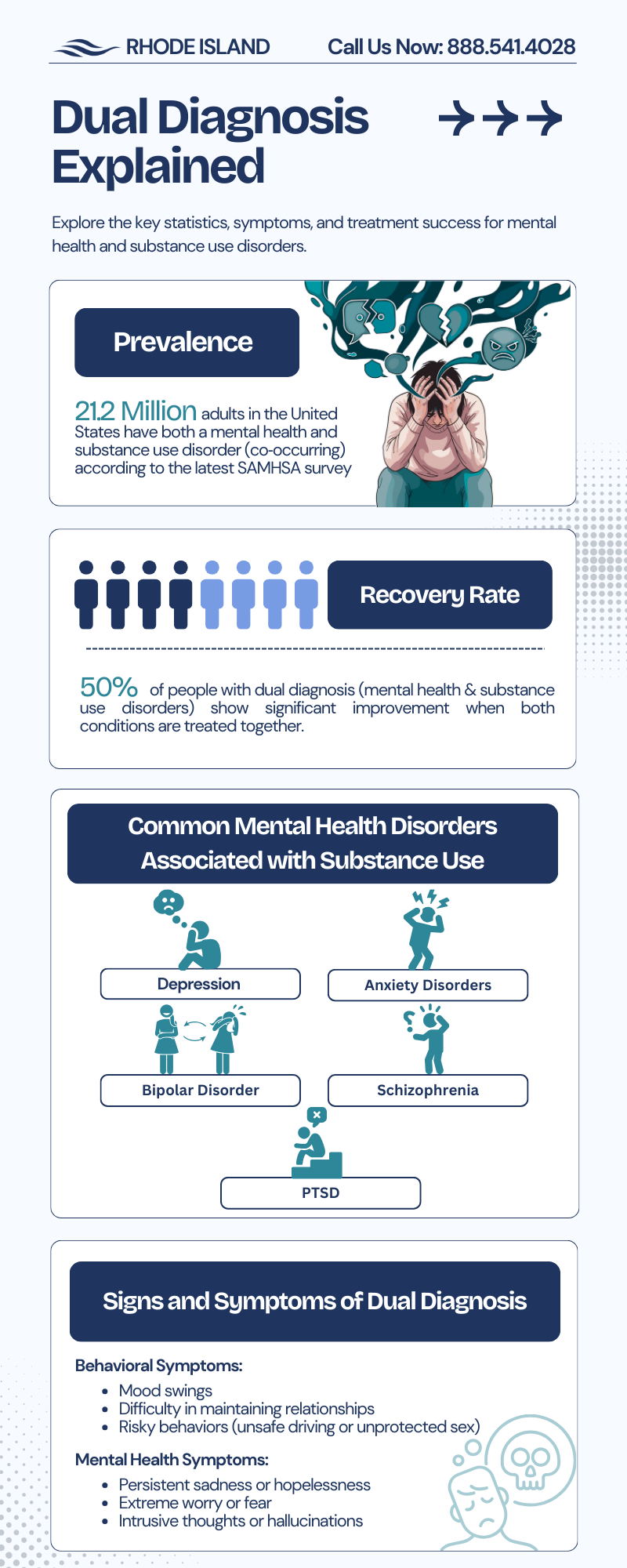
In 2024, 6.9 million adults in the United States were living with both a substance use disorder and serious mental illness, and nearly 3 in 10 received neither type of treatment. For people who value discretion, individualized attention, and dual-diagnosis support, a private rehab setting can offer a calmer, more tailored path toward recovery.
Looking for Private Rehab In Rhode Island usually means one thing: you want real help, but you do not want your recovery to feel public, crowded, or rushed. That is understandable. For many people, privacy is not a luxury. It is part of what makes treatment feel safe enough to begin. Rhode Island’s size, coastal setting, and quieter regions can support that kind of low-visibility environment, especially for people who value discretion and calm.
A true private program is about more than a pretty room. In practice, it usually means a smaller census, more individualized care, stronger confidentiality practices, and a setting designed to reduce noise, stress, and exposure. Federal privacy protections matter here too: HIPAA applies broadly to health information, and 42 CFR Part 2 provides added confidentiality protections for substance use disorder patient records in federally assisted programs.
What Defines A Private Rehab In Rhode Island?
A private program should feel tailored, not mass-produced. That usually means fewer clients at one time, more one-on-one attention, and treatment plans built around the person rather than a rigid template. If a center says it offers boutique addiction treatment RI, ask what that actually changes in your day-to-day care. The answer should be clear and specific.
Setting also matters. Rhode Island’s Ocean State identity, Newport-area character, and coastal quiet can make it easier to imagine recovery in a calmer space instead of a busy institutional environment. That does not mean every private center sits on the water, of course. It means Rhode Island naturally lends itself to programs that emphasize retreat, seclusion, and lower-stress surroundings.
Signs A Program Is Truly Private
- Smaller client groups
- More individual therapy time
- Clear privacy and communication rules
- Flexible, customized treatment plans
- Faster access to psychiatry or specialty care
- Quiet spaces for reflection, work, or family calls
These signs reflect the difference between generic rehab marketing and the quality standards readers should actually look for in a private setting. Accreditation bodies such as The Joint Commission and CARF both frame behavioral-health quality around structured standards, safety, and accountability.
The Benefits Of Choosing A Luxury Rehab RI
The appeal of Luxury Rehab RI is not just comfort for comfort’s sake. It is often about lowering the friction that keeps people guarded. When a place feels quieter, cleaner, and less chaotic, some clients find it easier to open up, focus, and stay engaged. Recovery is hard enough without feeling like you are sleeping in an airport lounge.
At the same time, higher-end care can support the practical side of healing. Better nutrition, more private space, calmer scheduling, and access to holistic supports can reduce stress during a difficult transition. Some private programs also make room for executives or professionals who need limited work access, structured check-ins, or a more discreet routine while receiving treatment.
What A Luxury Rehab RI Program May Include
Feature | Why It Can Matter In Recovery |
Private Or Semi-Private Rooms | More rest, less overstimulation |
Premium Nutrition | Better physical recovery and daily stability |
Fitness Or Wellness Space | Support for mood, routine, and stress relief |
Holistic Services | Can complement clinical treatment |
Smaller Groups | More privacy and stronger therapeutic attention |
Executive-Friendly Structure | Helps some professionals stay engaged without disconnecting from life completely |
Amenities vary by program, so it is wise to ask what is actually included instead of assuming every private center offers the same level of service.
 If you are exploring flexible treatment options after learning about private care, we invite you to read our latest blog, “Intensive Outpatient Program (IOP) In Rhode Island,” for helpful guidance on structured recovery that fits around daily life.
Ensuring Total Privacy At A Confidential Rehab RI
When people search for Confidential Rehab RI, they usually want to know one thing: who will know I am here? That question matters, and the answer should never feel vague. HIPAA protects health information, while 42 CFR Part 2 adds extra protections for many substance use disorder records. Those rules exist because fear of exposure can keep people from starting treatment in the first place.
Still, privacy is not only about laws. It is also about process. Strong centers should be able to explain how they handle calls, visitor policies, release forms, records, transport coordination, and communication with family or employers. Some programs may offer custom privacy steps for high-profile clients, but the smart move is to ask directly instead of relying on glossy promises.
Questions To Ask About Confidential Rehab RI
- How do you protect substance use treatment records?
- Who can confirm that I am in treatment, if anyone?
- How are release forms handled?
- Can I request limited-contact or no-contact status?
- Are private admissions or low-visibility arrival options available?
- How do you handle devices, visitors, and outside communication?
If a center cannot answer these calmly and clearly, that is a red flag. Rhode Island Addiction Treatment Centers can help you sort through these questions during a discreet consultation before you commit to any program.
Specialized Programs Found In Private Rhode Island Centers