
How to Choose a Quality Rehab Program Near Cranston
Finding the right program can feel a little like house hunting in a storm. Everything looks urgent. Still, a few simple questions can help you slow down and see things clearly. Good programs are open about their services, staff, and aftercare.
We encourage families to ask direct questions and listen closely to the answers. A strong program should explain things in plain language. It should also offer real guidance, not vague promises. Recovery takes work, and honest care starts with honest conversation.
Questions Worth Asking Before You Enroll
- Is the program licensed and accredited?
- Does it offer dual diagnosis treatment?
- What is the staff-to-client ratio?
- Is family therapy available?
- What kind of aftercare planning is offered?
- Do they accept your insurance?
- Are medications for addiction treatment available if needed?
- Aftercare Planning: Ongoing support after formal treatment ends.
- Dual diagnosis treatment: Care for addiction and mental health at the same time.
- Relapse prevention: Skills and planning that help lower the chance of return to use.
 Read our latest blog, “Rehab Programs Near Warwick, RI For Drug And Alcohol Treatment”, for clear, compassionate guidance on local treatment options and the first steps toward recovery.
Paying for Treatment and Using Insurance
Cost is one of the first worries many people have, and for good reason. Still, money questions should not stop someone from calling. Many programs accept private insurance, and some offer payment options or help with benefits checks.
When you speak with a treatment center, ask for a simple breakdown. Ask what is covered, what is not, and if pre-approval is needed. Clear answers about insurance coverage for addiction treatment rehab can take a lot of pressure off your shoulders.
What to Ask About Coverage
- What services are covered?
- Is detox included?
- Are medications covered?
- Are there out-of-pocket costs?
What Happens After Treatment Starts
The first few days are often the hardest in a person’s mind, but they are usually less frightening once the process begins. Most people start with intake, an assessment, and a conversation about medical history, substance use, and immediate safety.
Then the pace settles. You meet the care team. You get a daily schedule. You begin therapy and, if needed, medication support. Many people arrive tense and guarded. A day or two later, they often say the same thing: “I finally know what comes next.”
A Real Rhode Island Case Study: AnchorED and the Power of a Fast Connection
A good Rhode Island example comes from AnchorED, an emergency department peer recovery program at Rhode Island Hospital. Brown University Health and Brown Emergency Medicine describe how peer recovery specialists meet patients after overdose or other substance-related crises, offer naloxone, talk through treatment choices, and help connect people to care after discharge.
Why does that matter for someone near Cranston?
Because it shows what often helps people take the next step: quick contact, a real human connection, and a clear path forward. When care begins at the moment a person is scared, tired, and finally open to help, that opening should not be wasted. Sometimes recovery begins with a big decision. Sometimes it begins with someone simply showing up at the right time.
Local Support Can Help Recovery Last
Treatment is one chapter, not the whole book. Recovery often gets stronger when people stay connected to therapy, family support, alumni programs, and peer groups close to home. A person does not need to walk this road alone.
That is why aftercare matters so much. Good programs build relapse prevention plans, connect clients with meetings such as AA or NA, and keep support going after discharge. A steady routine, trusted people, and regular check-ins can go a long way.
FAQ
How Do I Know if I Need Addiction Treatment Near Cranston, RI?
If substance use is affecting health, work, relationships, finances, or safety, it may be time to get help. You do not have to wait for things to get worse before reaching out.
What Is the Difference Between Detox and Rehab?
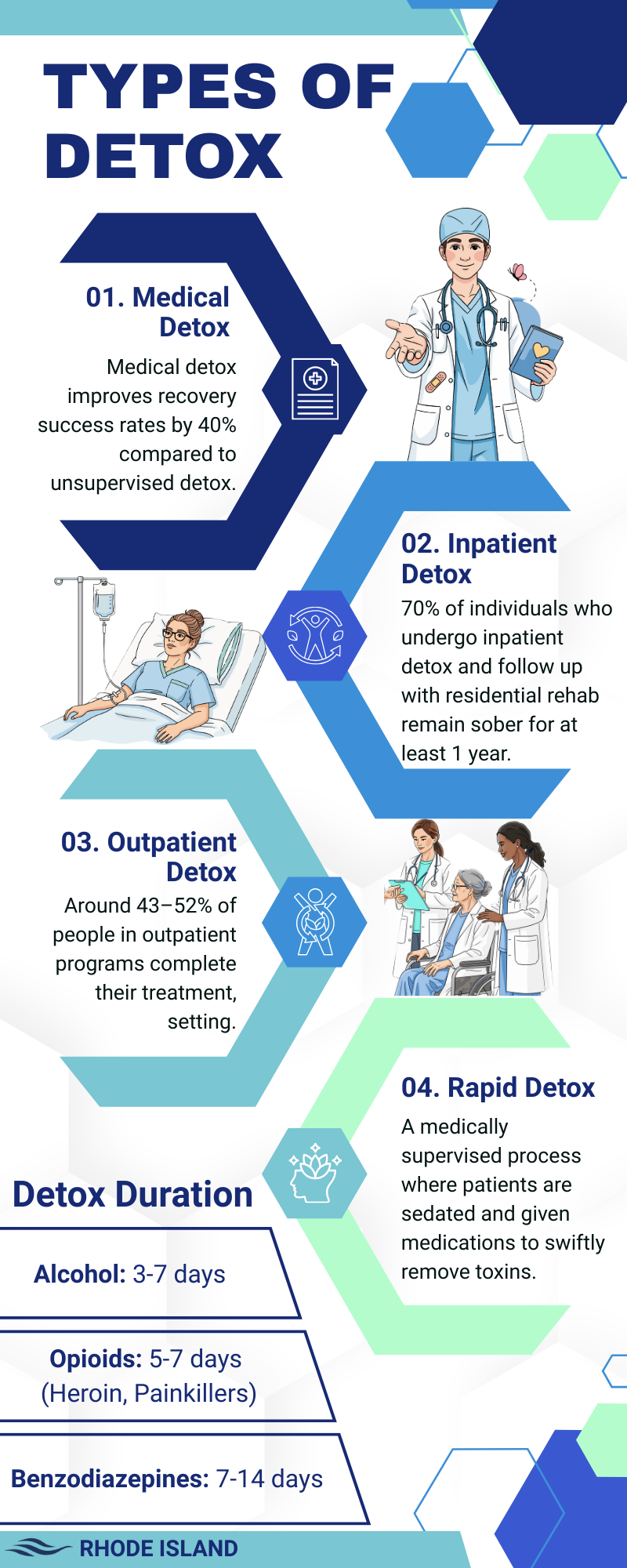
Detox focuses on withdrawal and physical stability. Rehab goes further by addressing habits, triggers, emotional health, and coping skills through therapy and daily treatment work.
Can I Keep Working While in Outpatient Treatment?
Yes, in many cases. Outpatient care is often built for people who need treatment while still managing work, school, or family duties.
Does Insurance Cover Addiction Treatment in Rhode Island?
Many plans cover part of treatment, though coverage differs by provider and level of care. A quick benefits check can usually clear up what is included.
How Long Does Addiction Treatment Usually Last?
It depends on the person and the program. Detox may last several days, while residential or outpatient care can last weeks or months.
Closing Thoughts on Taking the First Step
If you are looking into addiction treatment near Cranston, RI, try not to think of it as one giant leap. Think of it as one clear next step. Ask questions. Write down your concerns. Talk with a treatment professional who will answer you with care and honesty.
At Rhode Island Addiction Treatment Center, we believe people do better when they feel seen, heard, and supported from the start. The right program is the one that fits your health, your history, and your daily life. That first call may feel small, but it can open the door to real change.