
Signs You Need More Than Outpatient Addiction Treatment

Signs You Need More Than Outpatient Addiction Treatment

Signs You Need More Than Outpatient Addiction Treatment

What Are The Signs Outpatient Addiction Treatment Is Not Enough?

“Recovery is not one-size-fits-all – what helps one person stay steady may leave another feeling like they are trying to hold back the tide with a paper cup.”

That is the hard part about addiction treatment. People often assume that if they are showing up for therapy or attending a few sessions each week, it should be enough. But sometimes it is not. Sometimes the structure is too light, the triggers are too close, or the cravings are simply too strong.

SAMHSA reported that 48.5 million people aged 12 or older had a substance use disorder in 2023, and only 23.6% of people who needed substance use treatment actually received it. That gap matters because many people wait too long to step into the level of care that truly fits their needs. If you are searching for signs you need more than outpatient addiction treatment, this guide will help you spot the warning signs, understand your options, and take the next step with more confidence.

Sometimes, the truth shows up quietly. A missed session here. A relapse there. A growing sense that you are doing “all the right things,” yet nothing is really changing. When that happens, it may not mean you are failing. It may simply mean you need a higher level of addiction care.

Quick Signs To Watch

  • You keep relapsing even while in treatment.
  • Your home or social circle is full of triggers.
  • You struggle with work, relationships, or daily tasks.
  • You have intense cravings that feel hard to manage.
  • You have co-occurring mental health conditions.
  • You are dealing with withdrawal symptoms or physical dependence.
  • You feel unsafe, overwhelmed, or stuck.

Signs You Need More Than Outpatient Addiction Treatment: Key Indicators

Outpatient care can be helpful. For many people, it is a strong starting point. It offers flexibility, privacy, and a way to begin healing without stepping away from daily life.

Still, flexibility can also become the weak link. When daily life is the very thing fueling substance use, a few hours of treatment each week may not be enough. These are some of the clearest signs you need more than outpatient addiction treatment.

You Continue To Relapse Despite Outpatient Care

Relapse does not automatically mean treatment failed. In many cases, it means the current level of support is too limited for the situation at hand.

Think of it like trying to heal a broken leg while still running every day. The effort is real, but the setup is working against you. If you keep returning to substance use while in outpatient treatment, a more structured setting may give you the stability you have been missing.

Your Environment Triggers Substance Use

Home is not always a healing place. Sometimes it is where the stress lives. Sometimes it is where old routines, unhealthy relationships, and easy access to substances are waiting at the front door.

That is why when outpatient treatment is not enough, the environment is often part of the answer. A more immersive setting can create breathing room, helping you reset before stepping back into everyday life.

You Struggle With Daily Functioning

If addiction is affecting your job, finances, parenting, sleep, hygiene, or relationships, that is not a small issue. It is a sign that substance use is reaching deeper into your life.

A person may still look “functional” from the outside and still be falling apart inside. When basic responsibilities start slipping, it may be time for structured support that goes beyond weekly sessions.

Understanding Levels Of Care In Addiction Treatment

Not every treatment plan looks the same, and that is a good thing. Recovery works better when care matches the severity of the problem, not just the schedule a person prefers.

This is where inpatient vs outpatient addiction treatment becomes an important conversation. One is not morally better than the other. They simply serve different needs at different stages of recovery.

What Outpatient Treatment Offers

Outpatient programs let people live at home while attending therapy, counseling, group sessions, or medication appointments. This option often works best when symptoms are milder, the home environment is stable, and the person has strong motivation plus reliable support.

It can be a good fit for early intervention. It can also work well as step-down care after a more intensive program.

When Higher Levels Of Care Are Necessary

More intensive care may include intensive outpatient, partial hospitalization, residential care, or medical detox, depending on the situation. These options offer more time, more supervision, and more layers of support.

That extra structure can make a major difference when cravings are heavy, relapse is frequent, or mental health symptoms are interfering with progress.

Level Of Care

Best For

Main Benefit

Main Limitation

Outpatient

Mild to moderate symptoms, stable home life

Flexibility and continuity

Triggers remain close

Intensive Outpatient

People needing more support without full-time stay

More therapy and structure

Still returns home daily

Partial Hospitalization

Higher clinical needs during the day

Strong routine and monitoring

Evenings may still involve triggers

Residential/Inpatient

Severe symptoms, unsafe environment, repeated relapse

24/7 structure and distance from triggers

Less flexibility during treatment

➡️ Curious if outpatient treatment is still cutting it? Check out our latest blog, “How To Know If You Need Rehab In Rhode Island,” to spot when it’s time for more support.

Emotional And Psychological Signs You Need More Than Outpatient Addiction Treatment

Addiction is not only physical. It often wraps itself around thoughts, emotions, trauma, shame, and stress. That is why recovery can feel exhausting even when a person genuinely wants to change.

Sometimes, the emotional side of addiction is the real reason outpatient care feels too light. Looking closely at these signs you need more than outpatient addiction treatment can help you see whether deeper care is needed.
Co-Occurring Mental Health Conditions

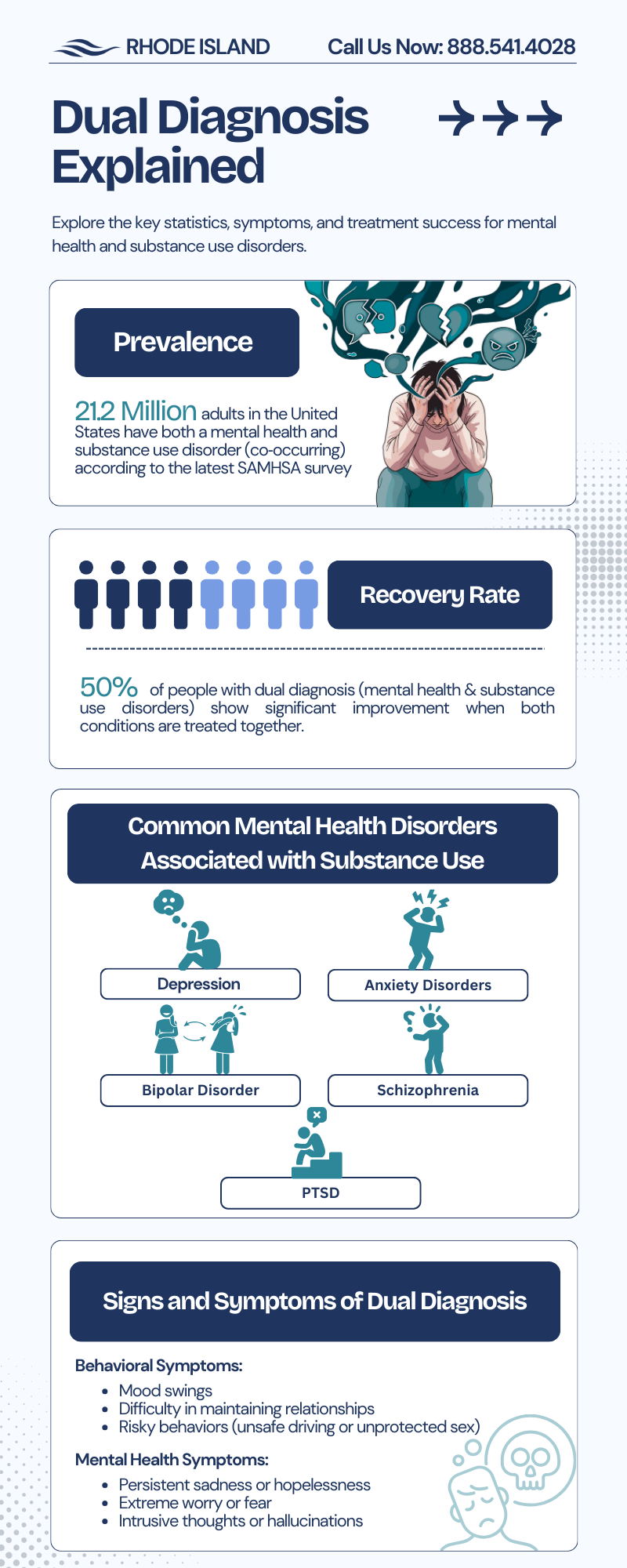
If you are also living with anxiety, depression, trauma, panic, or mood swings, recovery may require more than a basic treatment schedule. Substance use and mental health problems often feed each other in a loop.

In that situation, integrated treatment becomes important. You are not just treating substance use. You are treating the pain, fear, or instability that may be driving it.

Intense Cravings Or Loss Of Control

Some cravings are mild and manageable. Others hit like a freight train. If you feel like your mind keeps circling back to using, even after therapy or support meetings, that is worth taking seriously.

Loss of control is often one of the clearest signs that more structure is needed. It does not mean you are weak. It means your brain and body may need more consistent treatment than outpatient care can offer on its own.

Feeling Overwhelmed Or Stuck In Recovery

This sign is easy to overlook. You are technically “in treatment,” so you assume progress should follow. But weeks pass, then months, and you still feel trapped in the same cycle.

That stuck feeling matters. Recovery should challenge you, yes, but it should not feel like you are trying to climb a mountain in flip-flops. A more immersive level of care may help you gain traction.

Dual Diagnosis infographic Rhode Island addiction treatment center riatc

Physical And Medical Signs That Indicate A Need For More Intensive Care

The body usually sends signals long before a person says the words out loud. Fatigue, shakiness, nausea, sweating, poor sleep, and changes in appetite can all point to deeper physical dependence.

This is one area where wishful thinking can be risky. If physical symptoms are growing stronger, it may be time to look seriously at the need for a higher level of addiction care rather than trying to tough it out alone.

Experiencing Withdrawal Symptoms

Withdrawal can range from uncomfortable to dangerous. Some people feel restless, anxious, sick, or unable to sleep. Others face more serious complications that should never be managed without clinical guidance.

That is why medical detox may be necessary before a person can fully begin treatment. It creates a safer starting point and helps reduce the physical chaos that can pull someone right back into use.

Increased Tolerance And Dependence

Tolerance means your usual amount no longer feels like enough. Dependence means your body reacts when the substance is not there. Together, those signs suggest the addiction has moved into more serious territory.

When this happens, a more structured plan is often the wiser route. Waiting and hoping it gets easier rarely works. In fact, it often goes the other way.

Real-Life Case Study: When Outpatient Treatment Was Not Enough

A published 2023 case study described a patient whose prescribed opioid use escalated into opioid misuse and later illicit opioid use, showing how quickly substance use can deepen when warning signs are missed or minimized. 

A separate 2020 follow-up study found that people with opioid use disorder who remained engaged in long-acting buprenorphine treatment reported sustained abstinence over 12 months, which highlights the value of stronger, ongoing care.

The lesson is simple but powerful. A lighter-touch approach is not always enough. Some people need a treatment setting with more supervision, more stability, and more clinical support before recovery starts to hold.

When To Move Beyond Outpatient Addiction Treatment

There is rarely one dramatic moment when the answer becomes obvious. More often, the pattern tells the story: repeated relapse, rising risk, growing exhaustion, and a life that feels smaller each month.

The clearest signs you need more than outpatient addiction treatment often show up when recovery starts feeling like a full-time emergency with only part-time support. That is usually the moment to reconsider the level of care.

You Feel Unsafe Or At Risk

If your substance use is leading to risky behavior, blackouts, unsafe driving, self-harm thoughts, or dangerous situations, this should be treated as urgent.

Safety changes the conversation fast. At that point, more intensive care is not about convenience. It is about protection, stabilization, and getting the right help in place quickly.

You Need 24/7 Support And Structure

Some people do best when support is available around the clock. That kind of structure can reduce access to substances, lower the chance of impulsive use, and create a stronger rhythm for recovery.

There is nothing shameful about needing that level of care. In fact, accepting it can be the very thing that moves recovery forward.

Your Recovery Requires Full-Time Focus

Trying to heal while also juggling work, family pressure, legal issues, or emotional stress can feel like spinning plates in a windstorm. Eventually, something gives.

A more immersive treatment setting allows recovery to become the main priority for a season. And sometimes that is exactly what makes lasting change possible.

Why Rhode Island Addiction Treatment Centers Can Help

The right program does more than offer appointments. It helps you figure out what level of care actually fits your life, your symptoms, and your risk level.

That matters because treatment should be personal. It should feel thoughtful, not cookie-cutter. And it should support both short-term safety and long-term healing.

Personalized Outpatient And Intensive Programs

Rhode Island Addiction Treatment Centers offers care designed around the individual, not just the diagnosis. Some people may benefit from outpatient services. Others may need a more intensive step.

That flexibility matters because recovery is rarely a straight line. Needs can change, and treatment should be able to adapt with them.

Evidence-Based Therapies That Address Root Causes

Strong treatment looks beyond the substance itself. It also addresses the patterns underneath it, including stress, trauma, thinking habits, and emotional triggers.

That is where cognitive-behavioral therapy, relapse prevention, and practical coping tools can make a real difference. They help people build a life that supports sobriety instead of constantly testing it.

A Supportive Community Focused On Healing

Addiction isolates people. Recovery reconnects them. A supportive treatment community can make that process feel less lonely and far more manageable.

Healing is not only about stopping use. It is also about rebuilding trust, routine, confidence, and hope.

What To Expect If You Transition To A Higher Level Of Care

For many people, the idea of “more treatment” sounds scary at first. They imagine losing control, stepping away from everything, or being judged for needing extra help.

In reality, a higher level of care often feels like relief. It gives recovery more space, more structure, and a better chance to work.

Structured Daily Schedules

Intensive programs usually include therapy, group support, education, skill-building, and regular clinical check-ins. That routine can create stability when life has felt messy for a long time.

And honestly, structure can be a gift. It reduces decision fatigue and helps people focus on healing one day at a time.

Medical And Emotional Support

More intensive care also means more eyes on the full picture. Physical symptoms, medication needs, emotional distress, and relapse risk can all be monitored more closely.

That kind of support often helps people feel safer, calmer, and more capable of staying engaged in treatment.

How To Take The Next Step Toward Recovery

The next step does not have to be dramatic. It just has to be honest. One conversation can bring more clarity than months of silent worry.

A lot of people wait because they think asking for help means everything is falling apart. In reality, asking for help may be the first sign that things are finally starting to come together.

Speak With A Treatment Specialist

A professional assessment can help you understand whether outpatient care still fits or whether a more structured option makes more sense now.

You do not need to have all the answers before making that call. You just need to be willing to start the conversation.

Verify Insurance And Explore Options

Money worries stop many people before treatment even begins. That is understandable. Still, many programs can help explain coverage and walk you through realistic options.

Once the unknowns become clearer, the process usually feels a lot less overwhelming.

Conclusion: Recognizing When You Need More Than Outpatient Care

Recognizing the signs you need more than outpatient addiction treatment can change the course of your life. If outpatient care no longer feels like enough, that does not mean you have failed. It may simply mean your recovery deserves a stronger foundation.

At Rhode Island Addiction Treatment Centers, help is available for every stage of recovery. 

Call 888.541.4028 today to speak with someone who can help you take the next step toward lasting healing.