
Cocaine Addiction Treatment in Rhode Island: A Teen’s Story of Early Warning Signs and Recovery
17-year-old Ryan had always been active. He played soccer, kept decent grades, and had a tight circle of friends. Junior year was busy: harder classes, college pressure, and social drama. When his mood started shifting, his parents assumed it was normal teenage strain.
But something felt different.
The changes were small at first, then they started becoming apparent.
His cocaine use escalated, but his teachers and parents caught on early, and a structured cocaine addiction treatment in Rhode Island changed his life for the better.
The First Behavioral Changes
Ryan’s teachers were the first to notice something was off.
- He began showing up late to class
- He stopped turning in assignments on time
One teacher emailed his parents about him being unusually restless during lectures. He tapped his foot constantly, asked to leave class more often, seemed wired one day, and exhausted the next.
At home, his parents noticed different shifts:
- He was staying out later
- Laughing louder
- Sleeping less
- His appetite dropped
- He became defensive over simple questions
- His mood felt unpredictable. Some evenings, he was overly confident and talkative. Other nights, he locked himself in his room and barely spoke.
His parents didn’t immediately think of cocaine. They thought maybe it’s stress, peer pressure, or teenage attitude.
But the pattern kept building.
Escalation at School
Over the next two months, things worsened.
- Ryan’s grades dropped drastically
- Teachers reported he was either extremely energetic or completely disengaged
- He missed soccer practice after complaining of feeling sick. Then he missed another
One afternoon, a teacher pulled him aside after noticing his pupils were unusually dilated, and his hands were trembling. Ryan brushed it off, blaming energy drinks.
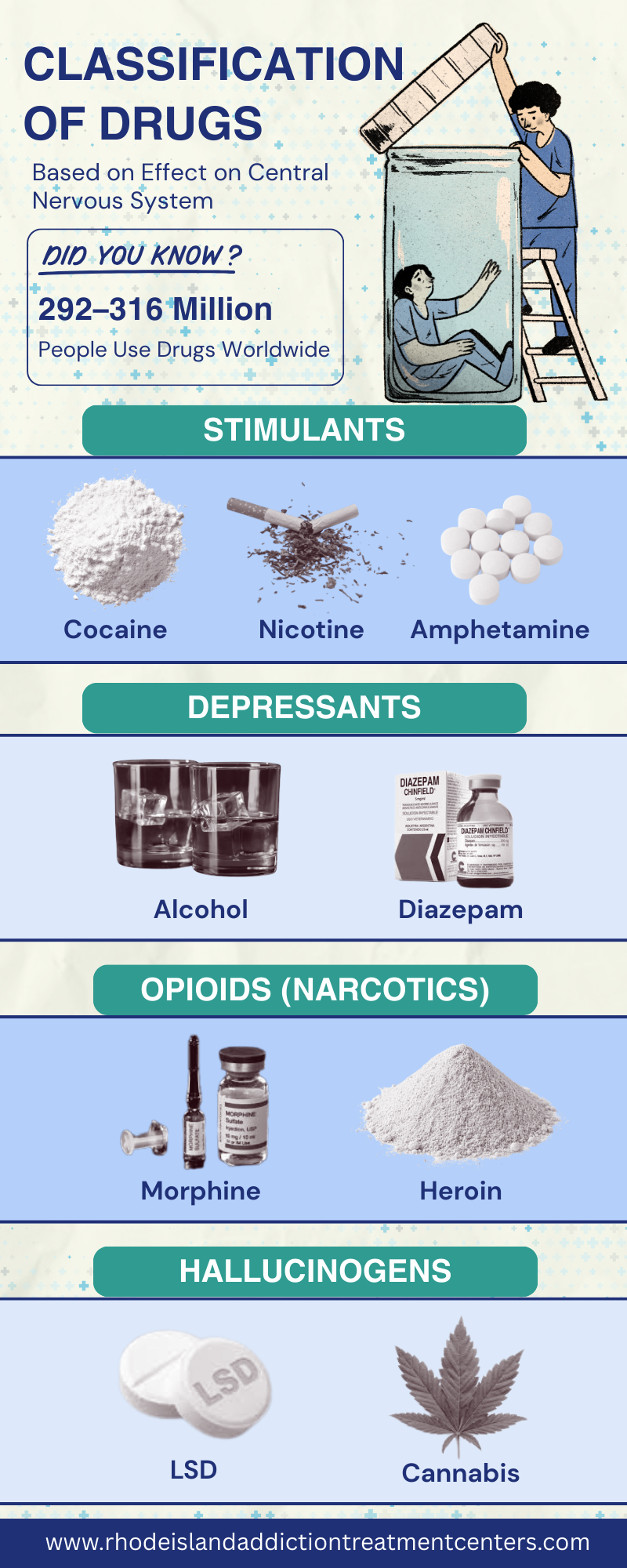
The truth was, he had started using cocaine socially at parties. At first, it felt like a boost! He could stay up, talk more easily, and feel confident. It helped him forget academic pressure and social anxiety.
But cocaine effects don’t stay like that for long.
The bursts of energy were followed by crashes, irritability, low mood, and restlessness. He began using it more frequently to avoid those crashes.
The Moment His Parents Knew
The turning point came one Saturday morning.
Ryan had been out late the night before. When his mother tried to wake him for a family event, he was pale and shaky. His nose was irritated. He seemed anxious and unusually agitated.
Later that afternoon, she found a small plastic bag hidden in his jacket pocket.
The confrontation wasn’t explosive. It was quiet and heavy.
At first, Ryan denied it. Then he admitted he had been using cocaine occasionally. He insisted it wasn’t that serious. He said he could stop anytime.
But his behavior said otherwise.
He had already tried to stop once and returned to it within a week.
That’s when his parents began researching cocaine addiction treatment in Rhode Island.
Reaching Out for Help
Calling for help wasn’t easy.
Ryan’s parents felt fear, guilt, and confusion. They worried about stigma. They worried about school records. They worried about what this meant for his future.
When they contacted Rhode Island Addiction Treatment Centers, the conversation focused on assessment, not judgment.
Our admissions staff asked about:
- Frequency of cocaine use
- Changes in mood and behavior
- Academic performance
- Sleep patterns
- Mental health history
It became clear that Ryan’s cocaine use was connected to underlying anxiety and performance pressure.
After a clinical assessment, we determined that outpatient treatment would be appropriate, along with mental health support.
What Cocaine Addiction Treatment Looked Like?
Cocaine withdrawal is different from opioids. It doesn’t usually involve severe physical illness, but it can bring intense emotional symptoms.
Ryan experienced:
- Fatigue
- Irritability
- Low mood
- Strong cravings
- Restlessness
- Difficulty concentrating
Treatment focused on stabilization first.
- In individual therapy, Ryan began unpacking the anxiety he had been masking. He described constant pressure to succeed and fear of failure.
- Group therapy helped him hear from others his age who were struggling with similar patterns. He realized he wasn’t alone.
- Family sessions were also introduced. His parents learned how to communicate without escalating defensiveness.
Behavioral Changes During Recovery
The first few weeks were difficult.
Ryan’s energy dropped significantly. Without cocaine, his natural motivation felt flat. He complained of boredom. His sleep schedule was inconsistent.
But gradually, small changes appeared.
- He started attending soccer practice again
- His concentration improved in class
- Teachers noticed he seemed calmer and more present
He began rebuilding his daily routine: regular sleep, scheduled activities, and honest conversations.
Most importantly, he developed coping skills for anxiety that didn’t involve substances:
- Breathing exercises
- Cognitive restructuring
- Physical activity
- Direct communication
Recovery wasn’t dramatic; it was steady.
Cocaine Addiction Treatment at Rhode Island Addiction Treatment Centers
At Rhode Island Addiction Treatment Centers, cocaine addiction treatment addresses more than just substance use.
For teens and young adults, treatment may include:
- Clinical assessment
- Individual therapy
- Group therapy
- Dual diagnosis treatment
- Family involvement
- Step-down support
Treatment is organized but allows flexibility. Its goal is to help stabilize behavior and address the reasons behind it.
For many teens, using cocaine is linked to anxiety, peer pressure, trauma, or struggles with their identity. If only the drug use is addressed, deeper issues are ignored – which is unaffordable.
Therefore, we use integrated care to improve results.
Where Is Ryan Now?
Recovery didn’t erase everything overnight.
But within months:
- Ryan’s mood stabilized
- His grades improved
- He regained trust at home
- He learned how to manage stress without chasing artificial confidence
He still attends outpatient therapy. He understands relapse risk. He knows the warning signs.
Final Thoughts
Cocaine addiction in teens often hides behind mood changes, academic decline, and shifting behavior.
It rarely announces itself loudly.
If you’re noticing unusual energy shifts, secrecy, or declining performance in a teen, you must pay attention.
At Rhode Island Addiction Treatment Centers, we keep assessments private and focused on your safety, not on placing blame. Getting help early can prevent serious issues later and stop problems from getting worse.
If you’re concerned about cocaine use, reach out today. A simple conversation can clarify whether structured treatment is necessary and what the safest next step looks like.
Acting early can change the entire direction of a young person’s future!